

I watched a video this morning where a software guy was talking about what AI is doing to coding. Halfway through I realized he was describing screenwriting too.
His argument: the code isn’t the real program. The real program is the model in the developer’s head. How the parts connect. What depends on what. What breaks when something moves. The code is just the visible residue of that thinking.
Same for scribbling.
The script isn’t the movie. The script is the shadow cast by the scribbler’s understanding of the movie. Structure, character, escalation, rhythm, payoff, subtext, theme, production reality, audience expectation. All of it working together, or not. Those pages in Final Draft on your screen are just the part you can see.
That distinction matters more now because AI can generate pages the same way it generates code. It can produce something that looks finished long before it’s coherent.
The Trap
A new coder can crank out functional-looking code without understanding architecture. A new scribbler can crank out scenes, outlines, dialogue, backstory, pitches, and beat sheets without understanding dramatic architecture.
In both cases the output looks polished enough to impress somebody for five minutes. In both cases the trouble shows up later, when the thing must survive contact with reality.
For software that’s scale, bugs, user behavior, broken integrations.
For us it’s development notes, actor questions, budget cuts, runtime pressure, second-act drag, dead character arcs. A pilot that can’t sustain a season. A feature that loses altitude after page thirty. A scene that reads just fine but does zero story work.
That’s where pros earn their keep.
Story Is a System
Change the protagonist’s goal in Act One and what ripples forward? Cut a supporting character and what exposition vanishes, what emotional processing disappears, what later scene no longer lands? Move the midpoint and what happens to the shape of the second act? Cut a location for budget and what function must be reassigned somewhere else?
Those are system-level questions. Every TV scribble room I’ve ever camped in spends most of its time on those, not on the lines.
On Lost we’d spend whole afternoons figuring out which character knew what, when, and what got broken if we shifted a reveal one episode earlier or downstream. On Hannibal, Bryan Fuller could spot a tonal misfire in episode three that was actually an issue from something in the pilot. The systems thinking is why the suits give you a paycheck.
Why The Apprenticeship Mattered
Senior coders learned by shipping things that broke. By misjudging complexity. By debugging under pressure from their managers.
For me, it was scribbling drafts that didn’t work. Getting contradictory notes. Pitching dead stories. Solving structural problems too late and watching actors expose weak character logic. By discovering a scene can be witty and still be useless. That a script can be well-crafted and still not deliver what’s needed.
That pain was part of the training. It was inefficient and frustrating and sometimes brutal, but it built pattern recognition. Shaped my taste. And taught me how to diagnose deeper problems beneath the surface symptom.
AI threatens to remove some of that friction. Not good when friction was doing a critical part of the teaching.
That’s what I want my son to hear, and any other young scribblers reading this. AI isn’t the problem. But if you use it to leapfrog the struggle without building up your underlying mental model, you’ll get faster at producing pages while you’re getting weaker at understanding story.
You can become fluent in screenplay-formatted material without becoming strong at dramatic design.
Instruments vs. Conductor
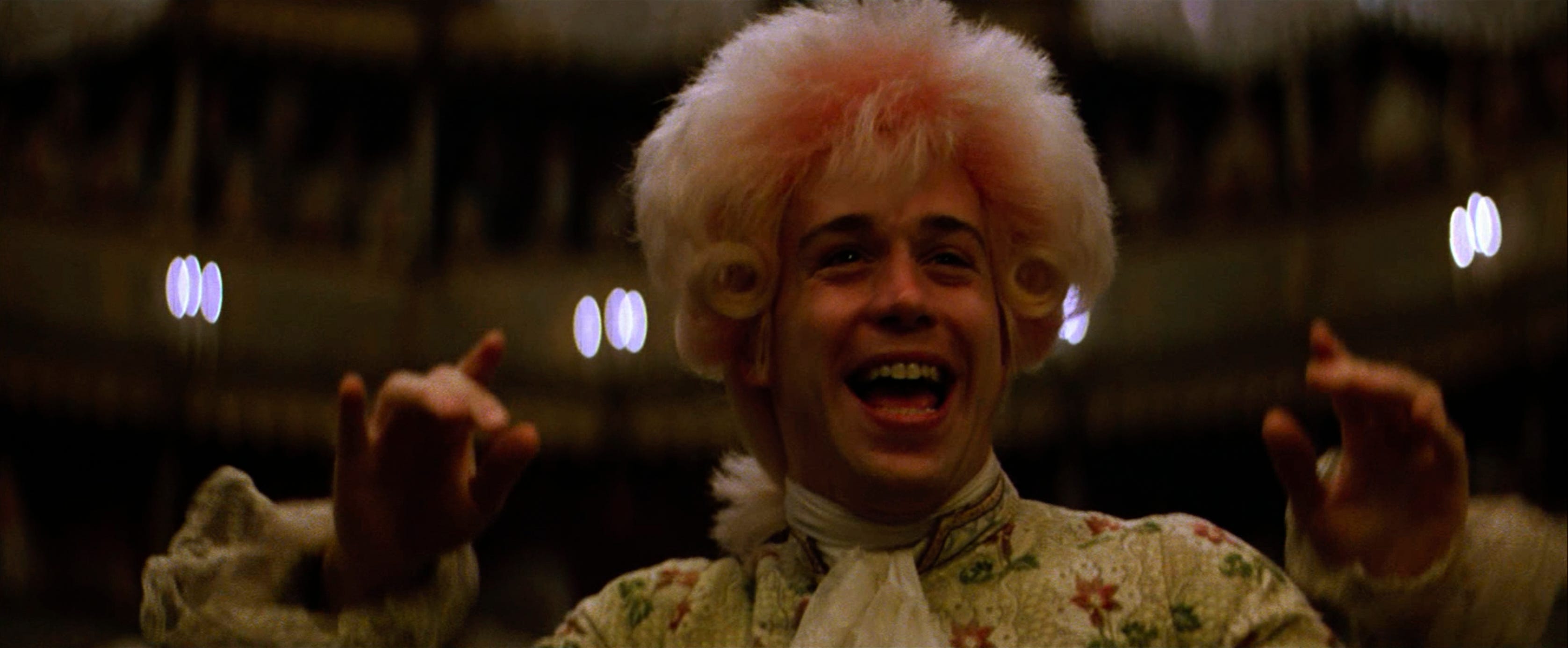
The software guy used an orchestra metaphor. AI can play instruments. Violin, brass, drums, whatever you ask for. But somebody still needs to conduct. Somebody needs to know what piece is being played. When the tension should build. When a motif should return. When a beat of silence matters more than crescendo.
AI can generate dialogue. Punch up your jokes. Spit out alternate scene variations. Suggest reveals, twists, archetypes, loglines, comps, and even tonal imitations. Those are the instruments.
It doesn’t know, at least not the way a working dramatist knows, what the whole arrangement is supposed to be doing emotionally. It can’t feel when a reveal lands two scenes too early and drains the next sequence of tension. It can’t know that a charming supporting character is quietly stealing the oxygen the protagonist needs. Or when two individually good scenes are wrong because their placement ruins pace and rhythm.
It can help you produce the music. But it’s not a conductor.
What The Job Actually Is
The scribblers who last won’t just be the ones who can get their pages out 10x faster than before LLMs were a thing. They’ll be the ones who can look at a story and ask the right systems questions.
Where does the audience’s understanding of the story actually live? Where does emotional feedback live? What breaks if I pull this scene? What carries too much weight? What’s decorative but not load-bearing? Where does the protagonist change, and what pressure creates that change? What information is being repeated because the story doesn’t trust itself?
Those questions make you a scribbler instead of a page generator.
AI doesn’t kill screenwriting. It raises the value of the part of scribbling that was always the real job. And it lets more people skip the apprenticeship that used to build that skill via failure.
Now the apprenticeship needs to be more intentional and disciplined than ever.
For the scribblers who choose to train their story judgment on purpose, who learn structure deeply, who study pressure and payoff and transformation, and explore emotional complexity, using AI as a tool instead of a substitute, the gap will be wider than ever.
ABS. Always. Be. Scribbling.