

We pulled an episode of Hannibal. Not NBC. Us.
Bryan Fuller made the call, and the rest of us backed it. The episode was called “Oeuf.” It involved a woman kidnapping children and manipulating them into killing their own families. We’d already shot it. Post was finished.
Then Sandy Hook happened. And we sat with that.
Bryan didn’t want anyone tuning in to our weird little cannibal show and getting blindsided by subject matter that suddenly felt too close to the news. So he asked NBC to pull it. Not because the network demanded it. Because he felt it was the right thing to do.
I think about that decision a lot. Especially now, when every piece of content we make gets sliced into clips, memes, and reaction videos before most people ever see the whole story.
What’s changed is not that stories influence people, it’s the delivery system. A scene doesn’t stay inside the episode. It gets extracted, aestheticized, and served to people who never asked for the full context. And some of the old vices are getting a fresh coat of “cool“ again.
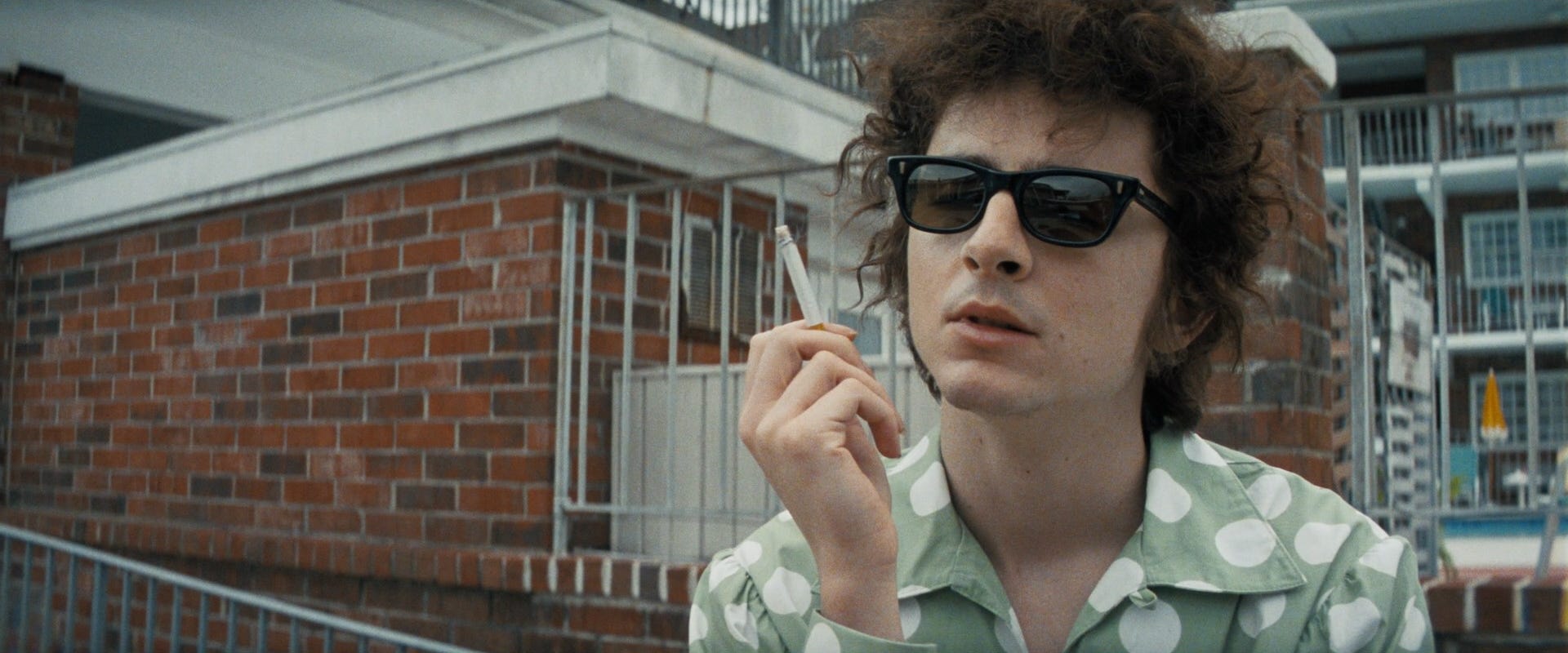
Truth Initiative flagged a big jump in tobacco depictions in movies in 2023. Nicotine imagery keeps showing up where young audiences will run into it.
Helmets, Blood, and the Vibe
On American Gods, we had characters riding a motorcycle with a sidecar. I made sure they wore helmets because when I rode bikes, I wore a helmet. I knew people who didn’t. Who died. It wasn’t a “message.” It was the world behaving like the world I wanted to live in.
Then there’s Hannibal. I’m proud of that work, and I still feel the friction. Not because the show endorses murder. It doesn’t.
The friction is craft.
When you light something beautifully, frame it cleanly, score it like a seduction, you risk turning “this is horrifying“ into “this is kind of beautiful to look at.“
That’s the tension every scribbler in dark territory wrestles with. Your theme is not always what lands. The vibe lands.
Your Theme Won’t Save You
We love to tell ourselves, “The story condemns it.“ Great. The clip doesn’t.
A scene gets cut loose from the full narrative all the time now. People meet your work through a ten-second edit, a reaction video, a montage set to trending audio. They don’t arrive holding your intent in their hands. They arrive holding the most shareable moment.
And feeds are not neutral librarians. They learn what keeps people watching, then they serve more of it. The Youth Endowment Fund found that 70% of teens in England and Wales encountered real-life violent content online in the past year. This is not “kids sought out a documentary.“ This is the modern content pipe doing what it does.
The U.S. Surgeon General has pointed to kids spending more than 3 hours a day on social media being associated with about double the risk of depression and anxiety symptoms. Distressed kids are more likely to latch onto “cool“ identity signals.
Our stylish violence, our glamorized self-destruction, our beautifully lit bad decisions. They’re not watching with critical distance. They’re watching for models.
That means your moral argument can be intact on page 95 while your style choices on page 25 are doing something else entirely.
Quick gut check: If someone posted this moment with no context, what would it sell?
Stop Shooting Harm Like Status
This is the part nobody wants to hear, because I sound like a killjoy. Tell a dark story without turning the dark thing into status. You can show risk without making it look like a lifestyle brand.
Watch for these status frames in your own work:
– The dangerous behavior gets the cleanest close-up.
– The ritual is shot like choreography, hands, smoke, loading, pouring, the “cool” sequence.
– The character gains social power in the moment, and the camera lingers on that power.
– The scene is scored like triumph, or seduction, or relief.
When you do those things, the camera isn’t neutral. It’s taking a position.
Don’t Make It a How-To
There’s a difference between showing and teaching.
If the behavior is risky and copyable, you want friction. Not a lecture, friction. Make it harder to lift out and imitate. A few ways to do that without breaking the scene:
– Avoid instructional clarity. You can keep tension without giving a clean blueprint.
– Interrupt the ritual. If it’s meant to feel ugly, let it be ugly in the moment, cough, stink, mess, inconvenience.
– Shift the emphasis to the character’s inner cost, not the external “cool.”
– Don’t fetishize competence at harm. If someone is good at something dangerous, don’t shoot their skill like a flex unless that’s the point you’re interrogating.
This isn’t about sanitizing art. It’s about not accidentally shipping a user manual.
Show Cost, Not Just Consequence
Scribblers rely on later punishment to “balance“ the scene.
The trouble is the audience can enjoy the reward beat, clip it, share it, and never emotionally register the later price. Even when they do watch the whole thing, consequences that come twenty minutes later can feel abstract compared to the immediate rush.
So when you can, put cost in the same scene. Not telling via sermon. Showing via story.
– Social cost, where someone’s respect drops visibly.
– Physical cost, where it hurts, it’s gross, it limits them.
– Logistical cost, where it complicates the plan.
– Emotional cost, where the mask slips and shame leaks through.
Cost isn’t moralizing. Cost is reality.
Counter-Model Without Preaching
My helmet choice is a good example of counter-modeling. It says, “Cool people do this,” and then you move on. You can do the same thing in darker territory.
– Let a character with status react with real disgust.
– Let the world push back, not as punishment, but as normal social gravity.
– Let an alternative exist that looks strong, not sanctimonious.
If the “responsible” option is filmed like weakness, the audience won’t choose it. If it’s filmed like cool and kick-ass competence, it can stick.
Draw the Line in the Cut
If you feel the Hannibal conflict I’m describing, it usually lives in the cut. Ask yourself what you’re rewarding with time.
– Are you lingering on the beautiful part of the dangerous thing?
– Are you giving the risky moment the best music, the cleanest lighting, the slowest inhale?
– Are you making the harmful act the most aesthetically pleasing beat in the sequence?
– If yes, you don’t need to rewrite the story. You need to reframe the moment.
Most ethical course corrections don’t need to be plot fixes. They’re shot fixes. Editorial choices. They happen in post, not the room.
The Room Rule
When I was coming up, we used to have a room rule for this stuff. Simple enough to remember when you’re on hour fourteen and picture lock is in the morning.
If it’s easy to copy and you filmed it like a win, you’ve gotta own the ripple. Three questions to run before you lock the cut:
– If this clip traveled alone, what would it sell?
– Did we make the dangerous thing look like status?
– What’s the smallest craft change that keeps the scene and removes the sales pitch?
If you can answer those, you’re not trying to control the audience. You’re just doing your job. Choosing what you glamorize. Choosing what you don’t. You’ve gotta live with your choices.
Scribbler’s Takeaway
Bryan Fuller didn’t pull “Oeuf“ because NBC made him. He pulled it because he was paying attention to the world his work was entering. That’s not self-censorship. That’s responsibility. It’s Bryan’s authorial craft extending beyond the screen.
The business has learned how to build standards when it wants to. The Academy has explicit inclusion standards tied to eligibility. But there’s nothing comparably consistent for glamorizing risk. So the responsibility defaults to us. The creators.
We don’t get to control how our stories land. We don’t get to attach instruction manuals to every clip that escapes into the wild. But we do get to choose what we glamorize. We get to decide whether the camera loves the dangerous thing or just acknowledges it exists.
The work can still be dark. It can be honest about violence, addiction, cruelty, all of it.
Somewhere between the page and the cut, and even the week of putting it on the air, you have to ask yourself:
Am I showing this, or am I selling it?
What world do I want to live in?