

My son just switched his major at SCAD from filmmaking to dramatic writing, and instead of freaking out, I had this weird moment of recognition. Like, oh yeah, this tracks.
I’ve been in scribble rooms and on sets for twenty-plus years, and here’s what nobody tells you: most of the directors I’ve worked with didn’t go to film school. They approached it sideways, through theater or literature or just by being obsessed weirdos who watched too many movies.
JJ Abrams? The guy I’ve probably logged the most hours with? Studied English and film theory at Sarah Lawrence. Not production. Theory. He got into directing by writing his way there, one script at a time.
When I was working on Alias and Lost, we’d sit around talking story structure, and JJ would reference everything from Twilight Zone episodes to Joseph Campbell and video games like Myst. That liberal arts background wasn’t a detour. It was his foundation.
Christopher Nolan studied English Literature. Wes Anderson did philosophy. Greta Gerwig double-majored in English and philosophy. These aren’t people who spent four years learning proper C-stand placement. They spent it reading Kant and Shakespeare and figuring out what makes stories tick.
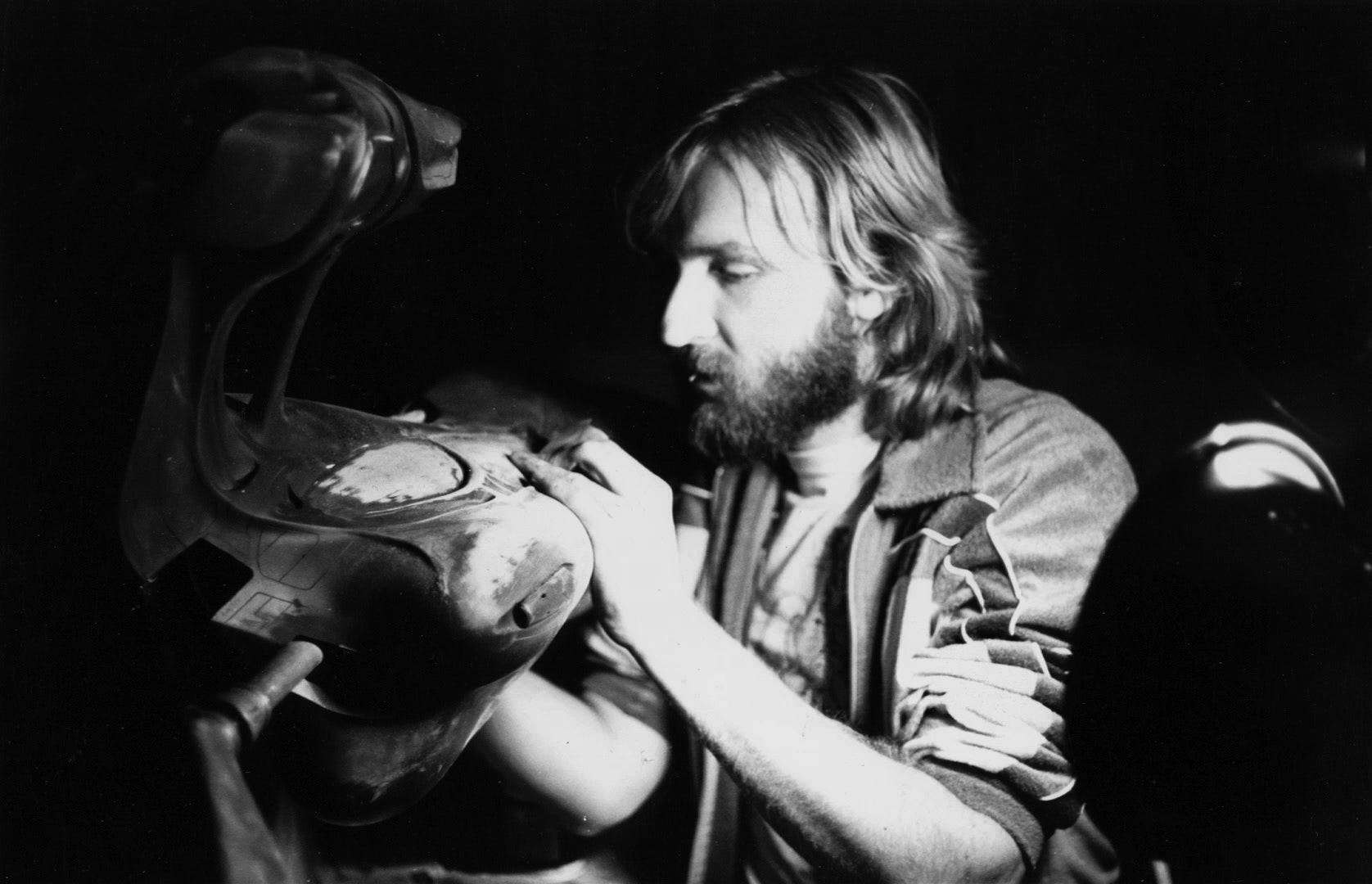
Even the technical wizards came through weird doors. James Cameron? Physics major who taught himself filmmaking while driving trucks. Guillermo del Toro spent a decade doing special effects makeup before anyone let him near a director’s chair. Akira Kurosawa wanted to be a painter.
And then you’ve got the total outliers. Tarantino’s film school was a video store. Peter Jackson learned everything from making splatter films in his backyard with his friends. Stanley Kubrick was just a photographer who got bored.
What kills me is how many writers become directors without anyone batting an eye. Alex Garland wrote novels, then boom, he’s directing Ex Machina. Michael Crichton was a Harvard-trained doctor who wrote Jurassic Park, then decided to direct Westworld because why not? Nora Ephron went from essays to rom-coms like it was the most natural progression in the world.
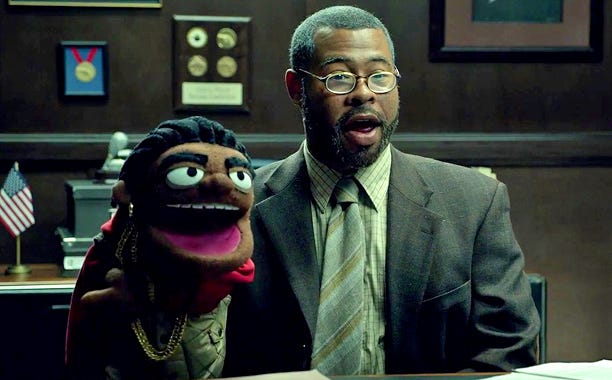
My personal favorites are the comedy guys who went dark. Jordan Peele studied puppetry and theater. Puppetry! Then he does sketch comedy for years before dropping Get Out on us. Zach Cregger from Whitest Kids U Know switches from film to computer art, does sketch comedy, then makes Barbarian, one of the most twisted horror films I’ve seen in years.
Their backgrounds gave them something film school doesn’t always provide: a unique perspective. They weren’t thinking about coverage and camera angles. They were thinking about character, theme, and how to mess with an audience’s head.
I remember being in the Hannibal room, and Bryan Fuller would reference everything from Dario Argento films to Renaissance paintings. His background wasn’t traditional film either. He came up through Star Trek specs and Dead Like Me. But that outsider perspective is what made Hannibal feel like nothing else on television.
When you study dramatic writing, you’re learning the operating system that runs underneath every film. You’re figuring out why characters do what they do, how to build tension, when to reveal information. You can hire a DP who knows lenses. You can’t hire someone to understand story for you.
Film school teaches you the technical vocabulary, sure. But dramatic writing teaches you what to say with it. One of my early mentors used to say that directing is 70% casting and 20% knowing what story you’re telling. The other 10% is not screwing up what the actors and DP are already doing right.
Look at TV, where the writer-producer has been king forever. Guys like Vince Gilligan and Matthew Weiner directed their own episodes, not because they went to film school but because they understood their stories better than anyone else. They knew every character’s motivation, every thematic thread. The directing was just an extension of the writing.
Film production programs are great if you want to learn the nuts and bolts. But if you want to develop a voice? If you want to build worlds that don’t feel like everything else? Sometimes you need to come at it from other disciplines.
My son switching to dramatic writing isn’t giving up on directing. He’s learning to think like a storyteller first. In an industry drowning in technically proficient but emotionally empty content, that could be precisely the right move.