

SPOILER ALERT: Yellowjackets, Severance
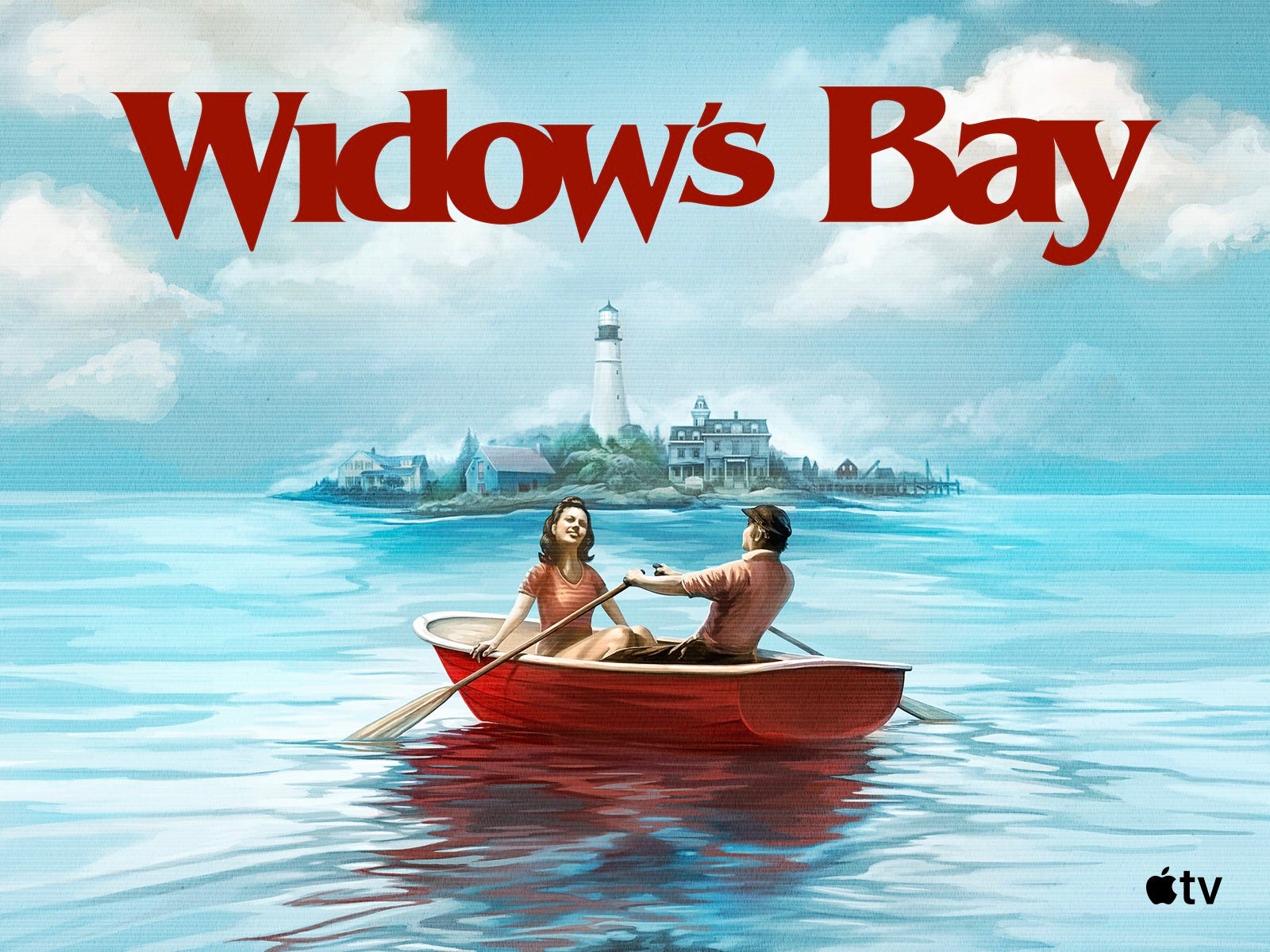
Widow’s Bay is a cursed-island box. A mayor sells his dying New England town as the next vacation spot, tourists come, and a curse wakes up with them. It pulls the oldest trick in the genre and stacks questions about a town nobody fully understands.
As I watched the first nine episodes, I kept waiting for the box to curdle the way these usually do. It didn’t.
That sent me back to a post I scribbled a while ago. It split storytelling into two roads.
A Mystery Box keeps the answer hidden and runs on the pull of the question. What is the island. What’s in the hatch.
A Magic Show reveals the trick up front and wins you with the execution, the way a heist plays out while you watch every move.
Lost ran on the mystery. Columbo ran on the magic, the killer named in the first five minutes.
Widow’s Bay is the newest entry in that argument. Three others have been getting graded in public. From. Severance. Yellowjackets. All live and die on questions. Judged on whether the questions were even worth asking.
The Line I Drew Wrong
My original post made it a clean pick between the two roads. Mystery Box or Magic Show.
That was a mistake. Whether you hide the answer or show it changes how the story feels. It doesn’t tell you whether the story works. Those are two separate questions. The first is about presentation. The second is about payoff, and only the second decides whether an audience sticks around.
Presentation doesn’t predict payoff. Mystery Box can pay off every question it raises. It can also stiff you. Magic Show can earn its telegraphed reveal. It can also let it land flat. Hiding and showing sit on one axis. Earning sits on another.
Breaking Bad is a Magic Show that pays off everything it forecasts. Leftovers is a Mystery Box that never answers its big question and earns anyway, trading the puzzle for the people.
An earned mystery pays rent every episode. A reveal lands, the characters live with it, the world shifts, and something settles even as the bigger question stays open.
An unearned mystery runs a tab. It keeps ordering questions on credit and promises to settle up in a finale that may never arrive, or may arrive and bounce.
Mystery Box and Magic Show both still work. The only question that counts is whether their answers are worth the wait.
From: The Box That Learned From Lost
From is Mystery Box in the purest form. A town nobody can leave. Monsters at night. Questions stacked to the rafters. On paper, the exact machine that burned a lot of goodwill on ABC last decade.
It works because of who runs it. Jeff Pinkner, a Lost veteran, shepherds the show, the series that built the modern box and caught hell when the lid was lifted. I scribbled in that world season one. I know the lessons its lessons well.
From’s season four arrived in April 2026 and tightened the screws. The residents close on the answers they chase, and the search turns more terrifying. Then MGM+ committed to a fifth and final season and a real ending, shooting toward a 2027 close.
That is the landing under the box. A box with no landing keeps every question in the air, circling, until the payoff never comes. The landing is a confirmed ending, the spot every question is descending toward on purpose. The team knows where the plane sets down, so each question reads as a waypoint.
Widow’s Bay: The New Box, Landing Right Now
Widow’s Bay runs the From playbook in a comedic key. Cursed island. History of fogs and disappearances the locals believe and the mayor refuses to. He sells the place as a vacation spot, tourists arrive, the curse clocks in.
Critics reaching for the mystery-box label say this show teases hidden developments and then pays them off, instead of leaving red herrings and narrative noise. One singled out a flashback episode on the town’s origins as justified weight that earns its place. That’s the earned mystery paying the rent as it goes.
The scares sit on character wounds. Tom’s need to control a son slipping out of his reach. His aid Patricia’s loneliness. Wyck’s regret. One reviewer admitted the pull toward a second season is not the mystery, it’s the characters.
But those same reviews worry a show this dense can get too complicated and stack questions faster than it settles. The finale airs soon. So I’m scribbling this with the box closed, which makes Widow’s Bay the cleanest test my framework will get this year.
Severance: The Box Running on Feeling
When Severance came back, it reminded everyone why the box worked.
Its central question is a wound. What do you owe the version of yourself that only exists at work? An emotional question wearing a sci-fi coat, so every reveal hits the heart on the way to the head.
Season Two drew acclaim and ended on a cliffhanger. A few critics flagged the risk. A show this good at posing questions can scribble itself into a corner it can’t pay off. Emotional fuel does buy enormous patience. But eventually, that patience runs out.
Severance is the Magic Show and the Mystery Box holding hands. It shows you the wound, then hides the mechanism. The wound keeps the contract alive while the mechanism stays sealed.
Yellowjackets: The Warning
Yellowjackets season three finally answered the big ones. Who the Antler Queen is. Who goes in the pit. The long-standing questions.
A chunk of the audience walked away with more questions than they brought in. Some reveals deflated the mystique. The season spawned new questions faster than it resolved old ones.
That’s the failure state I missed in my first post. A mystery can answer itself and still feel unearned. Answering a question and paying it off are different jobs. The answer has to cost something. It has to land on a character and change them. Drop a reveal and sprint past it, and the audience will feel hollow.
The Emotion Dealers Agree
A room full of showrunners landing actual finales in 2026 said the same thing in their own words. And none of them said puzzle.
The Outlander showrunner called the job being emotion dealers. The Boys showrunner said a finale works when the audience feels something saying goodbye, and the rest is gravy. Vince Gilligan described his process as a road map you follow while staying ready to jettison the good idea for the better idea. The Fallout showrunner framed it as a plan you build toward, while keeping the flexibility to change.
A plan you build toward. That’s the floor again. The Magic Show principle, confirmed by people flying planes to destinations.
Which One Wins Long-Form
The earned mystery wins, in either costume. Hide the answer or show your hand, it makes no difference to the audience. They’re tracking two things. Did each chapter pay its rent. Is somebody steering toward a real destination.
From is winning because it found its floor. Severance is winning on emotional fuel and gambling it has a landing waiting. While Yellowjackets is the reminder that answers without aftermath can leave the same bad taste as no answers at all.
Widow’s Bay is the one still in the air, paying rent episode to episode, betting it can build the floor before the tab comes due.
UPDATE: Just watched season one finale — it was awesome. They landed the plane safely and it’s in good shape to fly again.
Some Examples
A reference list, sorted by presentation only. Any of these can earn its keep or run a tab.
Magic Show — You see the trick. The grip is execution.
A few of these I worked on, which is the only reason I can tell you what the room was actually solving for.
Columbo. The cold open shows the murder and the murderer. The whole hour is watching the little scruffy guy take it apart. The format earned its own name, “the howcatchem.”
Hannibal. You know what Lecter is long before the FBI. The grip is watching him set the table as Will Graham circles the truth.
Alias. The pilot hands you Sydney’s secret. She’s a double agent inside the agency she’s fighting. You hold it and watch her work, with the Rambaldi mystery running underneath.
Breaking Bad. Flash-forwards hand you the wreckage early, the charred bear, the ricin vial, the M60 in the trunk. You watch Walt build toward it.
How to Get Away with Murder. Opens on a body and a cover-up, then rewinds toward the moment the premiere already showed you.
The Americans. The pilot tells you they are deep-cover KGB. Every episode runs with a sword overhead.
Chernobyl. History already spoiled the explosion and the cost. The hold is the how.
Mystery Box — The answer is hidden. The question pulls.
Twin Peaks. Who killed Laura Palmer? The question that built the modern box.
Lost. The island, the hatch, the numbers. A whole generation argued about, and the box caught hell when lifting its lid.
Heroes. Save the cheerleader, save the world. A sprawling box of powers and villains, with Isaac’s paintings forecasting a future the season races toward.
Westworld, season one. What is real, who is a host, what the maze means.
True Detective, season one. The Yellow King and Carcosa, dangled for eight hours.
Dark. A time loop where the pull places everyone across the decades.
The Leftovers. What caused the Sudden Departure? It refuses to fully answer, proving how little the box matters once the feeling lands.