

Build things people actually need.
That’s the advice. Sounds almost insultingly simple. Spend enough years in this business and it starts to sound like the only advice.
When I was starting out, my strategy was scribbling scripts I was excited about. The early work wasn’t very good. That’s the cost of entry, nothing shameful about it. The scribbling got better over time. Noticeably better. People were responding to the pages, the dialogue, the scenes. And I still wasn’t selling anything.
That gap confused me. I assumed quality was the whole game.
Quality is the admission price.
The real question, the one my film school education never asked out loud, was: what does the buyer actually need right now?
The Go-Kart Script
When I finally started asking that question, the answer at that particular moment was specific. Studios wanted sports movies with kid protagonists. Family-friendly, high-concept, easy to market. That was the slot that needed filling.
I scribbled a script about kids go-kart racing. And I sold it.
That story isn’t a case for abandoning what you love and chasing trends. It’s a case for scribbling something you can execute well that solves a real problem for a real buyer. Those two things are not mutually exclusive. They just take intention to line up.
Nobody teaches that in school. The curriculum is built around craft: structure, character, dialogue, theme. All of it matters. It’s all worth learning deeply. But at some point you walk out of that classroom and into a marketplace. The marketplace doesn’t care about your enthusiasm. It cares about whether you can solve a problem for somebody.
Read the Room You’re Pitching Into
A studio executive sitting across from you has a slate to fill. Talent deals that need attachments. A mandate from the studio, network or streamer telling her what they’re buying this cycle. She’s not waiting for a great script to fall from the sky. She’s trying to do her job, and she needs material that helps her do it without creating more work for her team.
A producer reading your submission isn’t just evaluating the scribbling. He’s thinking about whether he can package it, whether there’s a director who fits, whether the budget makes sense for the likely return. He’s solving a puzzle. Your script either fits that puzzle or it doesn’t.
That’s not a cynical read of the business. That’s what the job actually is.
Generic Clears the Hurdles and Feels Like Nothing
What the market needs is not a fixed target. Scribblers who treat it that way, reverse-engineering from the outside, producing work generic enough to fit any slot, tend to deliver pages that technically clear every hurdle and feel completely lifeless. Buyers can smell that.
The craft still matters enormously. The voice still matters. What shifts is direction. You’re pointing those things at something with a real destination.
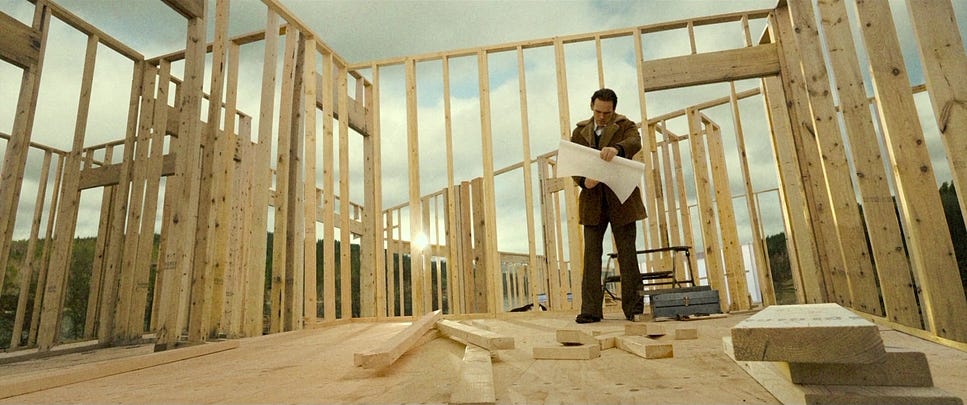
Think of it like a contractor. A great contractor can build anything. A smart contractor reads a neighborhood, figures out what people are actually trying to buy, and applies their skills. No compromise on craft. Better targeting.
For screen scribblers, that means staying curious about what’s selling and why. Understanding who buyers are and what problems they’re genuinely trying to solve. Then finding the overlap between that and the stories you’re actually equipped to tell.
That overlap is where careers get built.
Two Questions Before You Start
Next time you’re deciding what to scribble, ask yourself:
Who is this for? What problem does it solve for them?
No answers yet? That doesn’t mean kill the project. It means nail down the answers before you’re three months into a draft that has nowhere to go.
The go-kart script got me a career. The scripts before it taught me how to scribble. Both were necessary. The difference was knowing when to stop practicing and when to start thinking like someone who needed to get paid.