

I did time in the Lost room. Years in the Heroes room after that. Both shows had tentpoles: big, fixed points the whole season got built around, with a clear sense of where the year ended. A lot of open road stayed between those points, left there on purpose.
That gap is where a story gets room to surprise you. It surprised us plenty of times, sitting around that table.
Both shows became hits. The industry took the wrong “Why? lesson.
The Big Nope
Once destination-driven serialized TV proved it could hold an audience for years, networks wanted the route and road map on paper before they’d greenlight anything.
Every beat scheduled. Every reveal, every character turn, set in stone season by season before a single scene got scribbled.
The shows that came out of that mandate often felt rote, uncompelling, marking time to hit a plot point the room had promised in a document nobody in the audience would ever read.
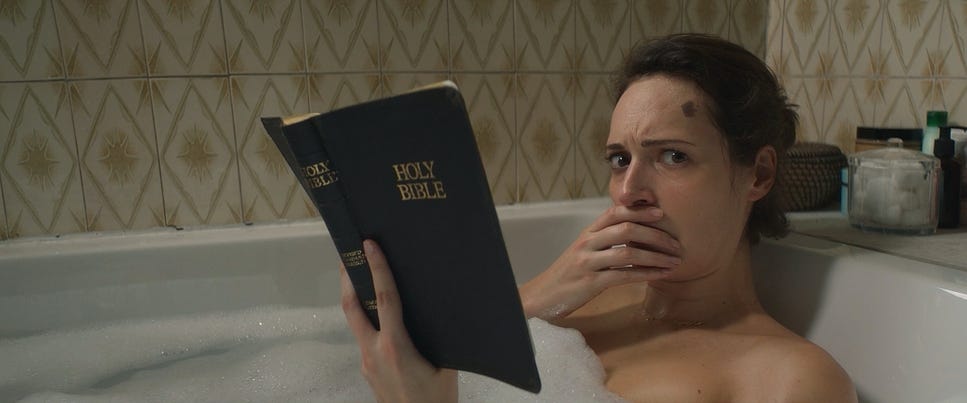
A bible that specifies every turn doesn’t protect your story. It embalms it.
Your scribblers will stop discovering the season and start delivering a memo. Audiences can tell the difference between a turn a character earned and one a spreadsheet demanded on schedule.
Let The Destination Do The Work
A destination is one commitment. A fully mapped route on how to reach it is another. Mixing them up is a critical failure.
Knowing where a story ends tells everyone in the scribble room that the questions raised early will matter later.
Drawing what’s on every bit of road before leaving the garage means nobody discovers anything once the greenlight flashes.
Jeff Pinkner did a stretch as a scribbler and executive producer on Lost before taking over, years later, as showrunner on From, MGM+’s slow burn horror series about a town nobody can leave.
Three seasons in, that show was piling up unanswered questions in exactly the way that had sunk shows like it. Then, this spring, MGM+ committed to a fifth season and called it the final one.
That’s your destination. Every question From raises now serves an ending the room has already fixed.
The scribblers getting finales right this year keep reaching the same shape: destination first, road map unrolling along the way.
Vince Gilligan put it plainly this past fall, talking about Pluribus. “I feel like we have kind of a general roadmap for where the show should go,” he said, then: “I always will quickly get rid of a good idea for a better idea. If better ideas come along, I’ll happily discard what I’m thinking of right now.”
What Buyers Want Now
The current conversation among scribblers, the one showing up in pitch-prep panels and scribblers’ groups this year, says streaming buyers want the bible earlier than ever. Sometimes before they’ll take a first meeting at all. Worth taking seriously either way. The specific complaint about timing might not hold up in every room, but the mood behind it checks out.
Ben Silverman, who runs Propagate and used to co-chair NBC Entertainment, said it plainly last year: “There’s just so much fear among so many executives about taking risk and doing anything that just doesn’t have a massive star or a massive IP.” A buyer that scared of a swing wants documentation that feels like proof.
A finished bible reads like proof. Doesn’t matter if it’s the kind of evidence that will actually produce a good season of televsion.
Set Your Destination First
A bible built for this climate doesn’t need every psalm in stone. It needs the goal shouted loud enough that a buyer can hear it.
State the ending. One paragraph, full confidence, no hedging language that reads like doubt to somebody scared of a greenlight.
Name the engine, the thing that generates weekly story, the reason episode nine has somewhere to go that episode one didn’t spoil.
Mark three or four tentpoles the whole season actually depends on.
I’ve had a version of this conversation on the game side too, doing narrative design work for live-service titles. A season roadmap for a game runs on the same logic. Nobody needs the whole patch schedule the day the game ships. They need to know the story has a baseline under it and a reason to log back in next month.
Leave everything between those tentpoles loose. Alive. Argued over. Undecided until the season needs it decided. A buyer wants to know you’re not lost. They don’t need to see the whole map. They just need to believe that you know where you’re going.
The Map Still Gets Drawn in the Room
Lost never needed the whole route drawn before the pilot shot. It needed an island, a hatch, an empty wheelchair, and eventually, once the network finally let the room name an end date, a destination everyone could drive toward with purpose.
Heroes needed New York, an explosion, and a handful of ordinary people converging on it. Everything else got discovered on-route, which is the only reason either show is still worth arguing about.