

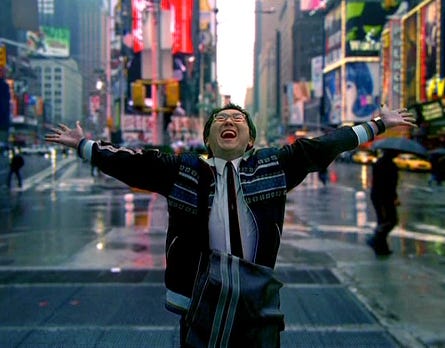
Zeb Finch wrote a sharp piece on Heroes Season 1. His case: that first season ran on one clean engine, every scattered life bending toward a single explosion in New York, and the seasons after it gradually gave up that architecture. Powers got explained instead of felt. Threats got bigger instead of clearer. Death and memory stopped meaning anything once they got reversed one time too many.
He’s right about all of it. And still, he’s done the easy part.
Diagnosing a broken show is a postmortem. Easy to write once the show’s already dead. Fixing it in your own room of scribblers, before the network, the actors, and the ratings start making the decisions for you, that’s the job.
Six rules, pulled directly from where the Heroes engine seized.
Name the One Terrible Thing
Before you break episode one, put your season’s engine into a single sentence. Heroes Season 1 had: how do these people become the only ones who can stop the explosion in New York. That’s convergence, and it’s the engine.
If the best you can do is “cool powers happen” or “big things are coming,” you have a premise, not a season. Write the sentence down. Pin it on the wall. Cut anything that doesn’t feed it.
When You Escalate, Reframe
Scale doesn’t clarify a story. Heroes kept reaching for the next apocalypse instead of asking what the last one changed. When you plan a new season, don’t start with what the next terrible thing is. Start with what the audience now understands that they didn’t before, and what the consequences are for your characters.
Tie Your Device to a Body, Not a Shelf
Whatever your show runs on, powers, tech, magic, a secret, it stays dramatic only as long as it costs someone specific to carry. The moment it can be stolen, swapped, upgraded, or reversed for free, it stops being fate and starts being tools and hardware. Ask what the show loses before you make a thing transferable.
Decide What You’ll Never Explain
Pick it on purpose, before the pressure to reveal arrives. Mystery is a design choice. A secretive organization is always more frightening as a shape in the dark than as an org chart. Heroes lost altitude every time it opened a door it should have left shut.
Plan the Villain’s Ending Before the Network Falls for Them
The best antagonists work when they’re rationed. Sylar was terrifying because Heroes used him sparingly, then couldn’t stop finding new ways to complicate, soften, and redeem him once he’d become too valuable to lose. If your most dangerous character depends on scarcity, decide how they end, or how they change for good, before the mystery and menace becomes impossible to protect.
Guard Consequence Like It’s the Show’s Currency
Whatever your show treats as permanent, death, memory, loyalty, keep it permanent. Heroes erased Peter’s memory, brought Noah back from the dead, and kept Nathan in play through Sylar’s shapeshifting and Matt’s psychic intervention long after the character should have stayed gone.
Audiences will forgive almost any swerve in your plot. They don’t forgive learning the stakes you sold them were never real.
None of this demands a perfect plan. Heroes’ own finale was imperfect, and the season still worked because the foundation underneath held.
Structure doesn’t cancel surprise. It earns it.